



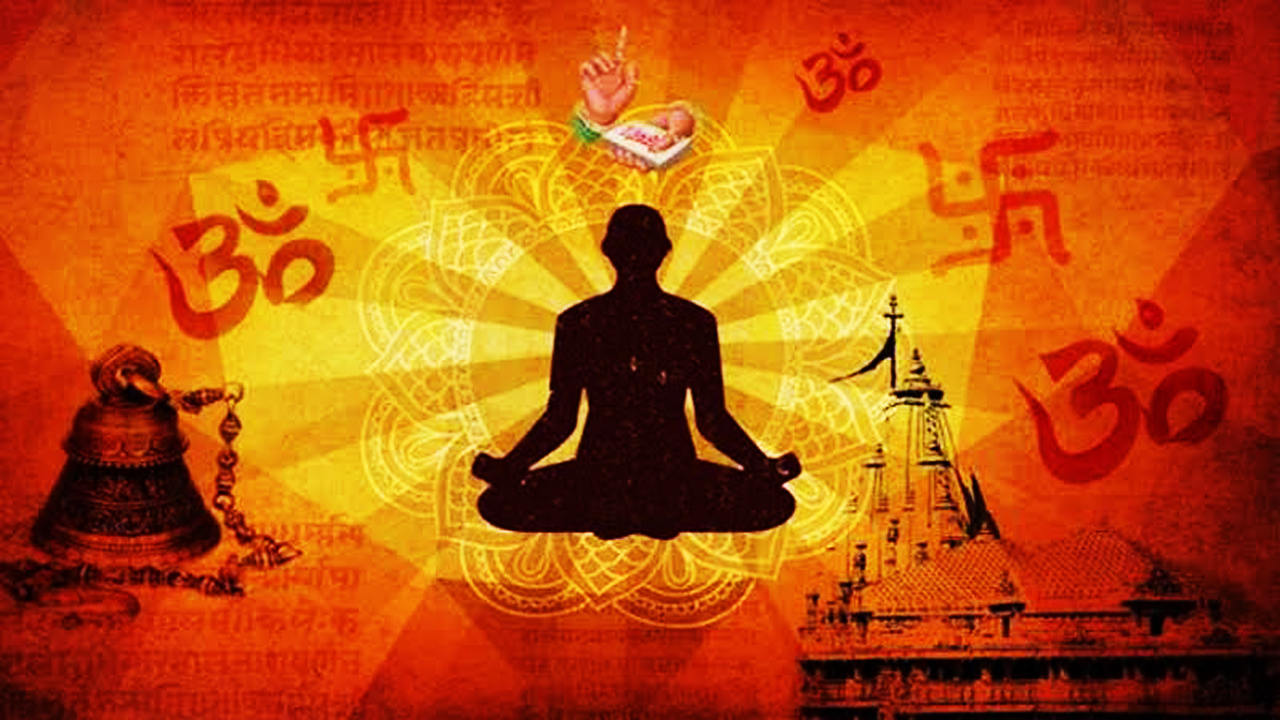
The Eternal Wisdom of Sanatan Dharma
Finding the Right Time: The Significance of Muhurat in Hindu Rituals
In Hindu traditions, success and harmony are not just about what you do, but when you do it. This concept is centered around Muhurat, which means an auspicious or favorable time. A Muhurat is a specific, well-calculated time window that is believed to be filled with positive cosmic energies. By performing important activities during a good Muhurat, you can increase your chances of success and receive the blessings of the universe.
What Makes a Muhurat Auspicious?
A Muhurat is determined by analyzing a combination of different astrological factors from the Panchang. An astrologer or a priest carefully checks the positions of the sun, moon, and other planets, as well as the Tithi, Nakshatra, and Vaar of the day.
Here’s why it’s so important to find the right time:
- Alignment with Positive Energies: Every moment in time has a unique energy. A good Muhurat is a time when the planetary positions are aligned in a way that supports a particular action. For example, a Muhurat for a wedding will be different from a Muhurat for starting a business.
- Harmonizing with Nature: Our ancient scriptures taught us to live in harmony with the cosmos. By performing rituals during a specific Muhurat, we are essentially aligning our actions with the natural flow of time, which can lead to better outcomes.
- Enhancing Blessings: Performing a puja or ritual during an auspicious time is believed to attract greater blessings from the deities. This can make the ritual more effective and meaningful.
Common Types of Muhurat
You’ll often hear about different types of Muhurat for specific events:
- Vivah Muhurat: For weddings.
- Griha Pravesh Muhurat: For moving into a new house.
- Bhoomi Pujan Muhurat: For laying the foundation stone of a new building.
- Namkaran Muhurat: For naming a newborn child.


