



The Story of Annaprashan Muhurat
The story of Annaprashan Muhurat begins with a family eagerly waiting for the moment when their little one will taste solid food for the very first time. As the auspicious time approaches, the home fills with soft laughter, tiny decorations, and the aroma of freshly prepared dishes. Elders share memories of past ceremonies, while parents lovingly prepare the child’s favorite first bite—usually kheer or rice. When the muhurat arrives, the baby is fed a small spoonful, symbolizing growth, nourishment, and a blessed beginning. The moment becomes a beautiful milestone, marking the child’s next step in their journey of life.
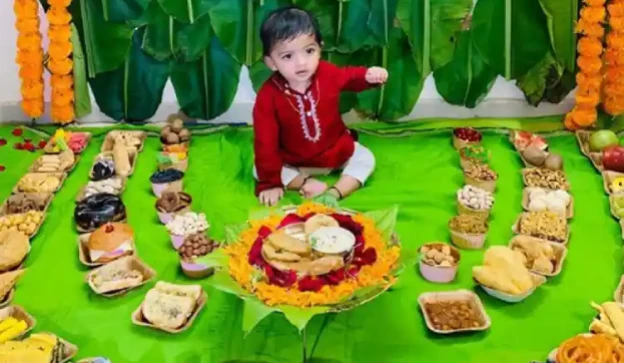
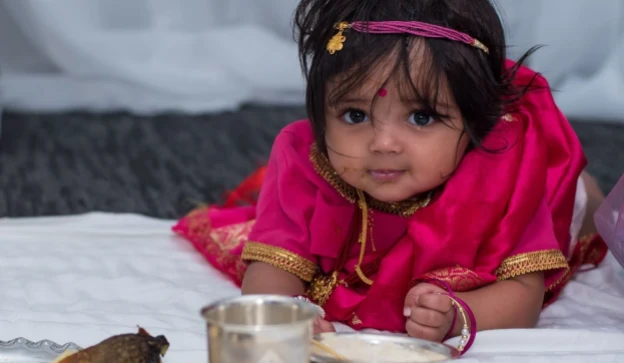
After the first spoonful is offered, the celebration becomes lively and full of joy. Family members take turns feeding the baby tiny symbolic bites, each gesture carrying blessings for health, strength, and a happy future. The child’s reactions—curiosity, giggles, or funny expressions—fill the room with warmth. A small puja is performed to thank the divine for nourishment and to pray for the baby’s well-being. Photos, sweets, and playful moments follow, turning the ceremony into a treasured memory. By the end, Annaprashan Muhurat becomes not just a ritual, but a heartfelt celebration of growth, love, and family togetherness.
Why Annaprashan Muhurat is Celebrated
Annaprashan Muhurat is celebrated because introducing solid food to a baby is considered a sacred and life-shaping milestone, symbolizing growth, nourishment, and the beginning of a new phase in the child’s development. Families choose an auspicious muhurat to ensure that the baby receives positive cosmic energy and blessings as they take their first taste of solid food. According to tradition, starting this journey at the right time invites good health, strong digestion, and protection from negative influences. Emotionally, the ceremony carries deep meaning for parents and elders, who see it as the child’s first step toward independence and physical strength. During the ritual, prayers are offered for the baby’s well-being, intelligence, and long life, while elders bless the child with hopes for a bright future. The celebration also strengthens family bonds, as loved ones gather to share joy, memories, and cultural traditions that have been passed down for generations. Through this heartfelt ritual, Annaprashan becomes more than just feeding food—it becomes a moment of gratitude, love, and hope, marking a beautiful beginning in the child’s journey toward growth and thriving.
How Annaprashan Muhurat is Celebrated
Annaprashan Muhurat is celebrated with a warm blend of tradition, joy, and family excitement. Once the auspicious time is selected, the home is cleaned and decorated with flowers, rangoli, and soft lights to create a festive atmosphere. The baby is dressed in adorable new clothes, often chosen specifically for the ceremony, and placed on a decorated seat or the lap of a parent. As the muhurat approaches, the priest begins the rituals with sacred chants, invoking blessings for the baby’s health, nourishment, and strong growth. A small puja is performed to honor the divine and to thank nature for the gift of food. At the exact muhurat, a symbolic first bite—usually kheer, rice, or a soft sweet—is offered to the baby, marking their first introduction to solid food.
Once the baby tastes the first bite, the celebration becomes lively and full of heartwarming moments. Family members take turns offering tiny symbolic spoonfuls, each adding their own blessing and hopes for the baby’s future. The child’s reactions—curious eyes, surprised expressions, or happy giggles—fill the room with joy. After the feeding ritual, elders bless the child with love, gifts, and warm wishes. Some families continue the ceremony by performing a small havan or visiting a nearby temple for additional blessings. Photos, laughter, and sweet sharing follow, turning the moment into a cherished memory. A special meal is then enjoyed by everyone, symbolizing abundance and togetherness. By the end of the celebration, Annaprashan Muhurat becomes a beautiful blend of tradition, nourishment, and family bonding, marking a meaningful step in the child’s journey of growth.